Examining the enduring questions of human life and political order, grounded in the Western intellectual tradition and the American ideal of free inquiry.
What Students Have to Say
Upcoming events
Events
What Students Have to Say
220 Hodges Hall
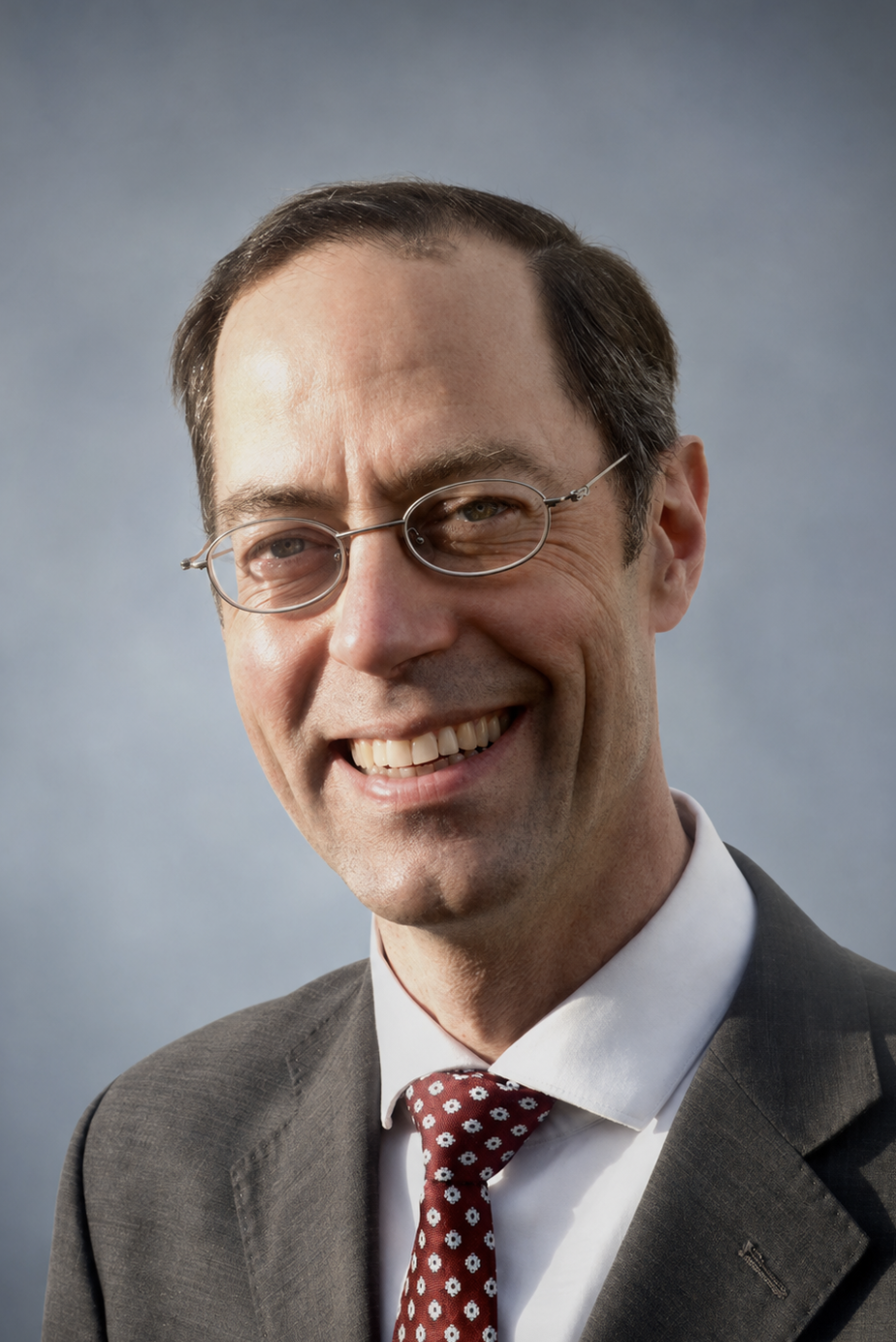
Dr. Eric Hewett presents the In Honorem Sanctae Crucis, the most complicated book ever written by a single author. This early medieval text, despite its date of composition of ca. 810 AD, is shockingly post-modern. It combines such varied means of expression as poetry, art, prose, philosophy, theology, and numerology into a single artwork. The figurative elements define and constitute multiple levels of poetic language, so that many individual letters function simultaneously on different levels. Each individual poem uses a set of these artistic-literary units to relate some aspect of the universe to the Crucifixion, while the complete work aims, with cosmological ambition rivaling that of the Sistine Chapel, to present the Cross of Jesus Christ as the hermeneutical key for interpreting all phenomena, or, as the author Rabanus Maurus himself put it, the “consummation and perfection of all things.
Dr. Eric Hewett is Assistant Professor of Statesmanship at the Washington Center. He earned a joint Ph.D. in “Philosophy, Sciences and Culture of the Late Antique, Medieval and Humanistic Eras” from the University of Salerno in Italy and in “Patristic Sciences” from the Pontifical Patristic Institute Augustinianum in Vatican City in 2013. His dissertation, The Encounter of Art and Language in Hrabanus Maurus’ In Honorem Sanctae Crucis and the Communication of Philosophical and Theological Content, analyzes the formal and semantic structures of one of the most complex works of poetry ever composed, a product of the 9th-century Carolingian Renaissance. In 2016, the Society for Classical Studies honored him with its President’s Award for extraordinary service to the field of Classics. More recently, he has published on theological and philosophical aspects of contemporary debate within Roman Catholicism concerning the death penalty. Hewett will teach courses on Ancient Rome, early Christianity, medieval Europe, and rhetoric at the Washington Center. He is fluent or proficient in German, French, Italian, Spanish, Basque, Latin, Ancient Greek, and Sanskrit, and is a published translator of Italian scholarly works and Basque poetry.
Answers to common questions about the Washington Center for Civics, Culture, and Statesmanship: its founding, mission, independence from the Legislature, curriculum, and recent coverage.
Recent news coverage has criticized the Washington Center as expensive, partisan, and unpopular, citing low enrollment across its special topics course offerings as evidence of failure. In this response, the Center explains why current enrollment is consistent with the normal, deliberate sequence of building an academic center—faculty hiring, course design, and curricular approval—and addresses the mischaracterization of its budget. More than three dozen comparable civics centers have followed this same path nationally, and none has failed.
This July 4th marks 250 years since independence, and a new chapter for civic education in West Virginia. Drawing on George Washington's own model, Cincinnatus, Patrick Lee Miller makes the case for why universities must return to the pursuit of truth, and how the Washington Center for Civics, Culture, and Statesmanship aims to lead that revival.